

Cart
0
I Tried K-Beauty in London. Then I Came Back to India and Built Seoul Essence.
I first tried Korean skincare in London.
The shelves were stocked with it — authentic brands, real products, honest prices. It was easy to find and even easier to fall in love with. My skin responded in ways it never had before.
Then I came back to India and tried to find the same thing.
What I found instead: grey market products, duplicates, inflated prices, and almost zero guidance on what actually works for Indian skin. Women ordering viral K-beauty products that were completely wrong for their skin type, their climate, their specific concerns — simply because a Korean influencer had recommended it.
Nobody was curating this for us. Nobody was saying: this product works for Indian skin in Indian humidity. That one doesn't.
So I built Seoul Essence to do exactly that.
Why Korea, Why Now?
Korean beauty didn't enter India through billboards or celebrity endorsements. It came in through screens.
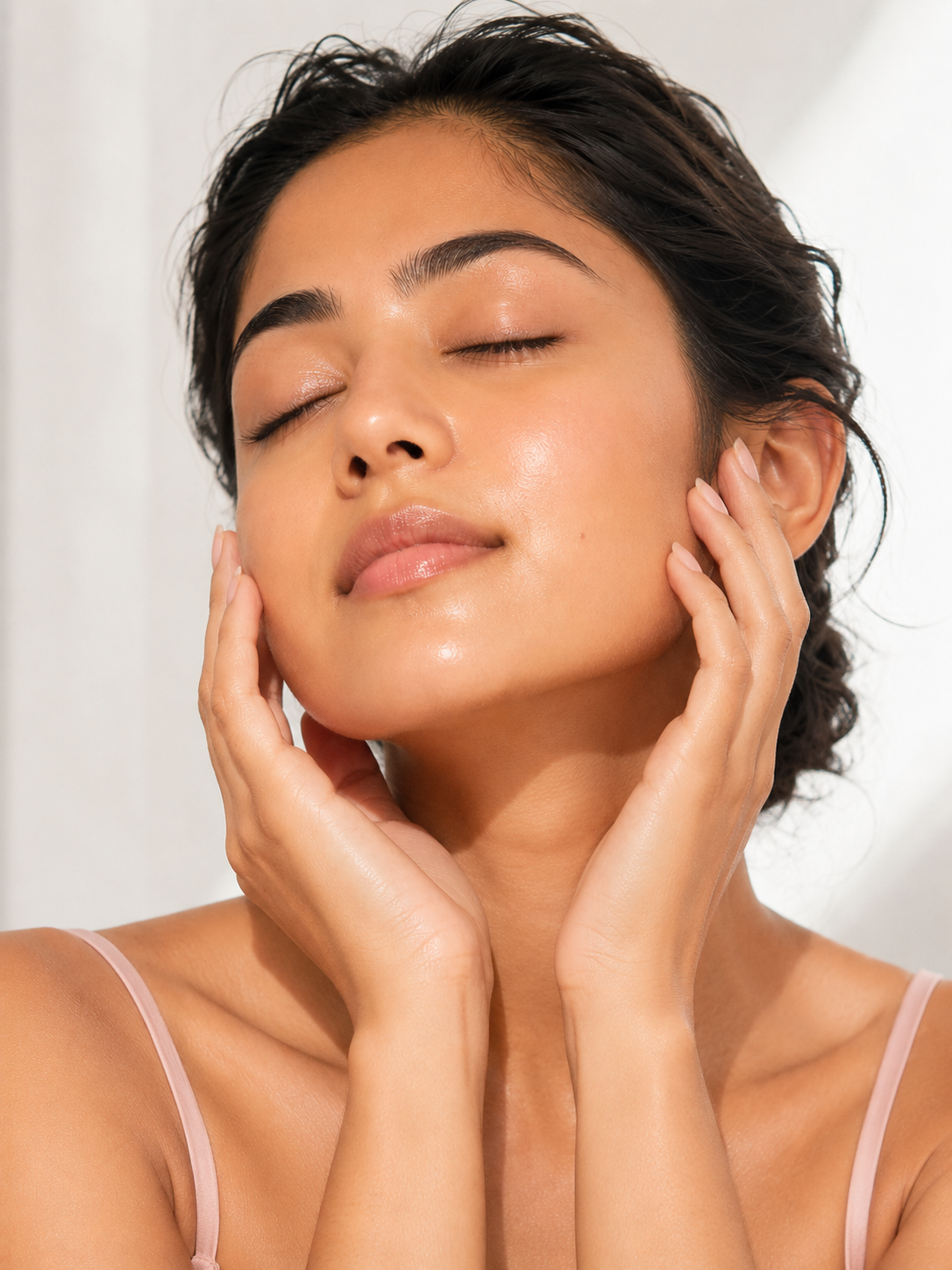
A generation of Indian women grew up watching Korean dramas and noticed something: the skin. That luminous, clear, even-toned look that had a name — glass skin — and a whole philosophy behind it.
They went looking for the products. They found YouTube tutorials, Reddit threads, skincare communities. By the time Korean brands began officially launching in India, the demand had already been built — quietly, organically, through cultural curiosity.
That's rare. Most beauty categories are pushed into markets. K-beauty was pulled.
The Philosophy Is What Makes It Different
I've tried a lot of skincare over the years. What genuinely changed my skin wasn't a single product — it was switching to a different way of thinking about skincare entirely.
The Western approach tends to be reactive: something goes wrong, you reach for a treatment. Spot cream for breakouts. Heavy moisturiser for dry skin. Strong actives to force visible results fast.
Korean skincare starts from the opposite end: what does your skin need every single day to stay healthy and balanced so that problems don't arise in the first place?
The answer: hydration, barrier protection, gentle consistency, and sun protection — non-negotiable, every day.
For Indian skin specifically, this makes a lot of sense:
Indian skin tends to deal with year-round sun exposure, humidity, and a higher tendency toward hyperpigmentation. Korean formulations — lightweight, non-comedogenic, focused on brightening and barrier repair — address these concerns better than most Western alternatives that were designed for different climates and skin types.
This isn't a coincidence. East Asian skin shares many characteristics with South Asian skin. The K-beauty philosophy was built around many of the same concerns we have: UV damage, uneven tone, texture, oiliness in humid weather.
How to Actually Build a K-Beauty Routine
You do not need 10 steps. You need the right steps, done consistently.
Morning — 5 steps:
- Gentle cleanser — doesn't strip, just cleans
- Toner — hydrates and preps skin (not the astringent kind — the essence kind)
- Serum — one targeted concern: brightening, hydration, or barrier repair
- Moisturiser — seals everything in
- SPF — every day, rain or shine. Non-negotiable.
Evening — add these:
- Oil cleanser — dissolves sunscreen and makeup
- Foam or gel cleanser — this is double cleansing, a cornerstone of K-beauty
- Toner
- Serum or ampoule — slightly richer than your morning choice
- Night cream or sleeping mask — lets skin repair while you sleep
Add a sheet mask 2–3 times a week when you want an extra boost.
The logic of layering — thinnest to thickest, each layer fully absorbed before the next — is what makes the routine work. It's not about more products. It's about the right sequence.
What This Looks Like Over Time
Glass skin isn't a filter. It's what happens when your skin barrier is consistently healthy, consistently hydrated, and consistently protected from UV damage.
Most people who switch to a K-beauty routine notice a difference within 4–6 weeks — not dramatic transformation, but calmer, more even skin that reacts less to weather, stress, and the environment.
After 3–6 months, the long-term benefits show up: reduced hyperpigmentation, improved texture, fewer breakouts, slower visible ageing.
It works because it's designed to be sustainable, not intense.
Why I Built Seoul Essence — And What Makes It Different
Seoul Essence exists because I couldn't find what I was looking for in India after discovering K-beauty in London.
Not just a store. A curated, trustworthy destination where an Indian woman could shop K-beauty without worrying about authenticity, without paying grey market prices, and without having to do hours of research just to figure out if a product was right for her skin.
We stock brands that are authentic, fairly priced, and chosen with Indian skin and Indian climate in mind. And we also bring in Korean brands that aren't widely available in India yet — including derma and wellness ranges making their way here for the first time.
But the part I'm most proud of: I do pop-ups myself. I sit with customers, listen to their skin concerns, and suggest products by giving real trials — not just handing over something viral and hoping for the best. Because the wrong product, no matter how popular, helps no one.
That's what Seoul Essence is built on. Not just access to K-beauty — but the right K-beauty, for you.
If you're new and don't know where to begin, visit us at seoulessence.in or find us on Instagram. We'll help you figure out your starting point.
The category is young in India. The opportunity is massive. And we're just getting started.
Seoul Essence is India's curated K-beauty destination — bringing the best of Korean skincare to Indian skin, climate, and lifestyles.
Explore our collection at seoulessence.in


